


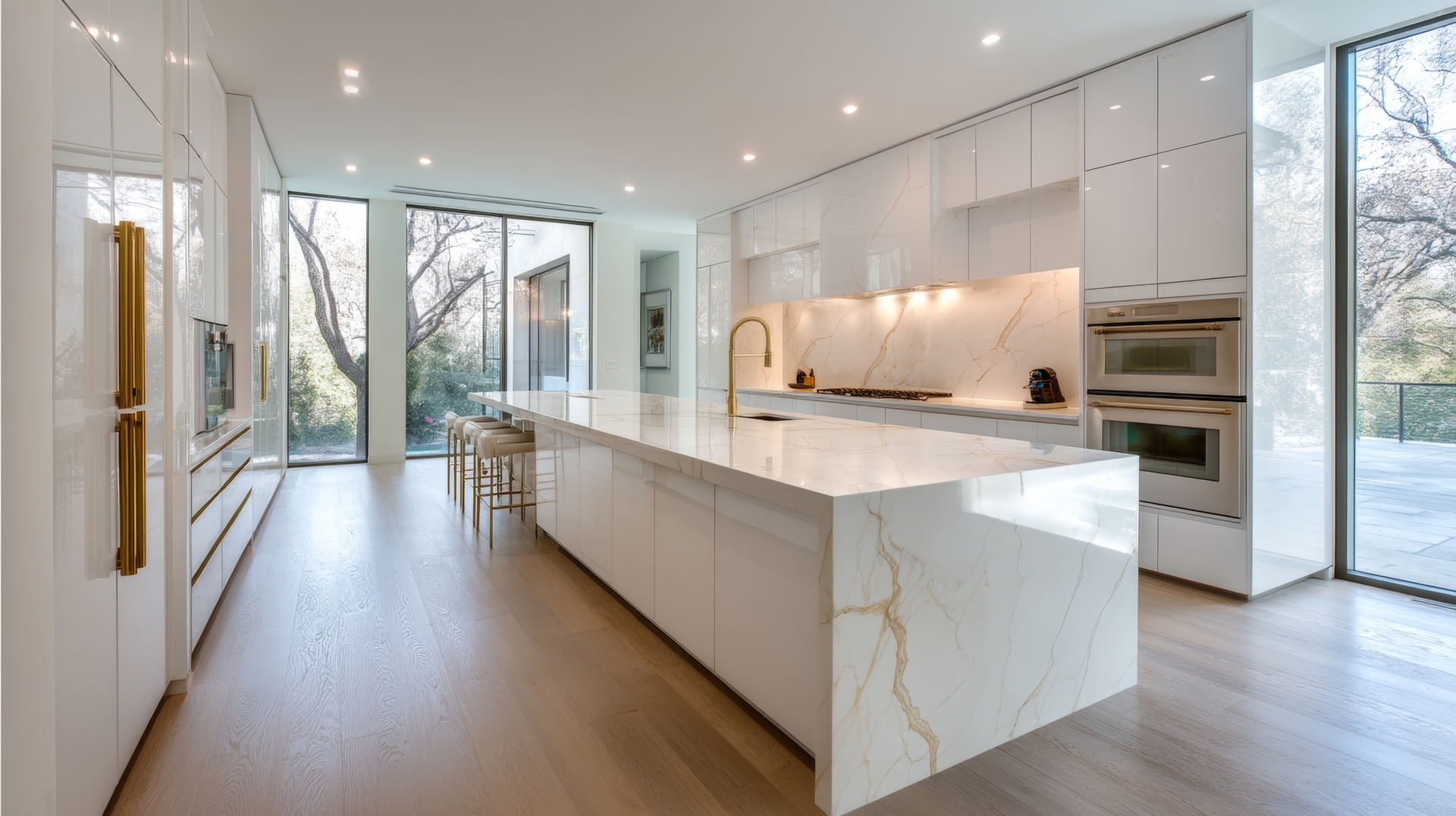
Luxury vinyl plank flooring has become one of the most popular choices for modern homes thanks to its durability, comfort, and realistic wood visuals. One of the most important design decisions when selecting LVP is color tone. Warm and cool tones create very different moods, and the right choice can make a home feel welcoming, spacious, cozy, or crisp. Understanding how each tone behaves in real living spaces helps create a look that feels intentional rather than accidental.
The role color tone plays in how a room feels
LVP color tone influences more than just appearance. It affects how large a room feels, how natural light reflects, and how furniture and décor interact with the floor. Warm tones tend to soften a space and make it feel grounded, while cool tones lean toward a clean, modern look. Neither option is better by default; the best choice depends on lifestyle, lighting, and overall design goals.
Understanding warm-tone LVP and its character
Warm-tone LVP typically features shades like honey oak, golden maple, caramel, and rich chestnut. These tones often include subtle red, yellow, or orange undertones that add depth and warmth to a room.
Warm LVP works especially well in homes where comfort and relaxation are priorities. Living rooms, bedrooms, and family gathering areas benefit from the inviting feel these tones provide. They pair beautifully with traditional furniture, farmhouse décor, soft textiles, and warm metals like brass or bronze.
In Wisconsin homes where colder months dominate the calendar, warm LVP can visually balance the climate by making interiors feel cozier year-round. These tones also tend to hide everyday dust and minor debris better than cooler shades, making them practical for busy households.
Where warm tones shine the most
Warm LVP is an excellent choice for:
Homes with limited natural light
Spaces featuring beige, cream, or earth-toned walls
Traditional, rustic, or transitional design styles
Rooms where comfort and warmth matter more than a sleek edge
Exploring cool-tone LVP and its modern appeal
Cool-tone LVP includes shades like soft gray, greige, white oak, and ash-inspired finishes. These tones often have blue or gray undertones that create a fresh, clean aesthetic.
Cool LVP is often associated with contemporary design and open-concept layouts. It reflects light well, helping smaller rooms feel more open and airy. These tones also work seamlessly with minimalist décor, crisp white walls, black accents, and modern furniture silhouettes.
For homeowners aiming for a streamlined, updated look, cool-tone LVP offers versatility and a polished feel that complements modern living.
Ideal spaces for cool-tone LVP
Cool tones tend to perform best in:
Open floor plans with ample natural light
Kitchens and dining areas with modern finishes
Homes featuring white, gray, or cool neutral walls
Spaces designed for a clean, uncluttered aesthetic
How lighting changes warm and cool LVP tones
Lighting plays a major role in how LVP color tones appear once installed. Natural daylight enhances cool tones and keeps them from feeling flat, while warm artificial lighting can soften cool floors and add balance.
Warm LVP under warm lighting feels richer and more layered, while under bright daylight it can appear lighter and more neutral. Viewing samples in the actual space, at different times of day, is essential to making a confident decision.
Coordinating LVP tones with walls and furniture
Flooring should support the rest of the room rather than compete with it. Warm floors pair best with creamy whites, soft taupes, and warm grays. Cool floors shine alongside crisp whites, cooler grays, and bold accent colors.
Furniture matters just as much. Warm wood furniture often blends seamlessly with warm LVP, while cool floors create contrast with darker or mixed-material furniture pieces. Thinking about the full picture ensures the floor enhances the entire space rather than standing out for the wrong reasons.
Lifestyle considerations that matter
Homes with kids, pets, and heavy foot traffic benefit from LVP that disguises wear and daily messes. Warm mid-tone planks often excel here, while very light or very dark cool tones may show dust more easily. Maintenance preferences, cleaning routines, and daily habits should always factor into the final decision.
Finding the right balance for long-term satisfaction
Trends come and go, but comfort and functionality remain constant. Warm tones often feel timeless and forgiving, while cool tones deliver a refined, contemporary look that works beautifully in modern homes. The best choice is the one that aligns with how the space is lived in, not just how it looks in photos.
Settling on a floor color that won’t feel dated next year
Choosing between warm and cool LVP tones is about creating harmony between design, lighting, and lifestyle. With the right guidance, the result is a floor that feels natural, balanced, and perfectly suited to the home.
Ready to explore LVP options that fit your space and style? We’d love to help. At Claerbout Furniture & Flooring, our flooring experts bring samples directly to your home, walk through lighting and layout considerations, and help narrow down an LVP color palette that truly fits the way your home is lived in. Visit our Cedar Grove showroom or schedule a shop-at-home consultation to get started.


