


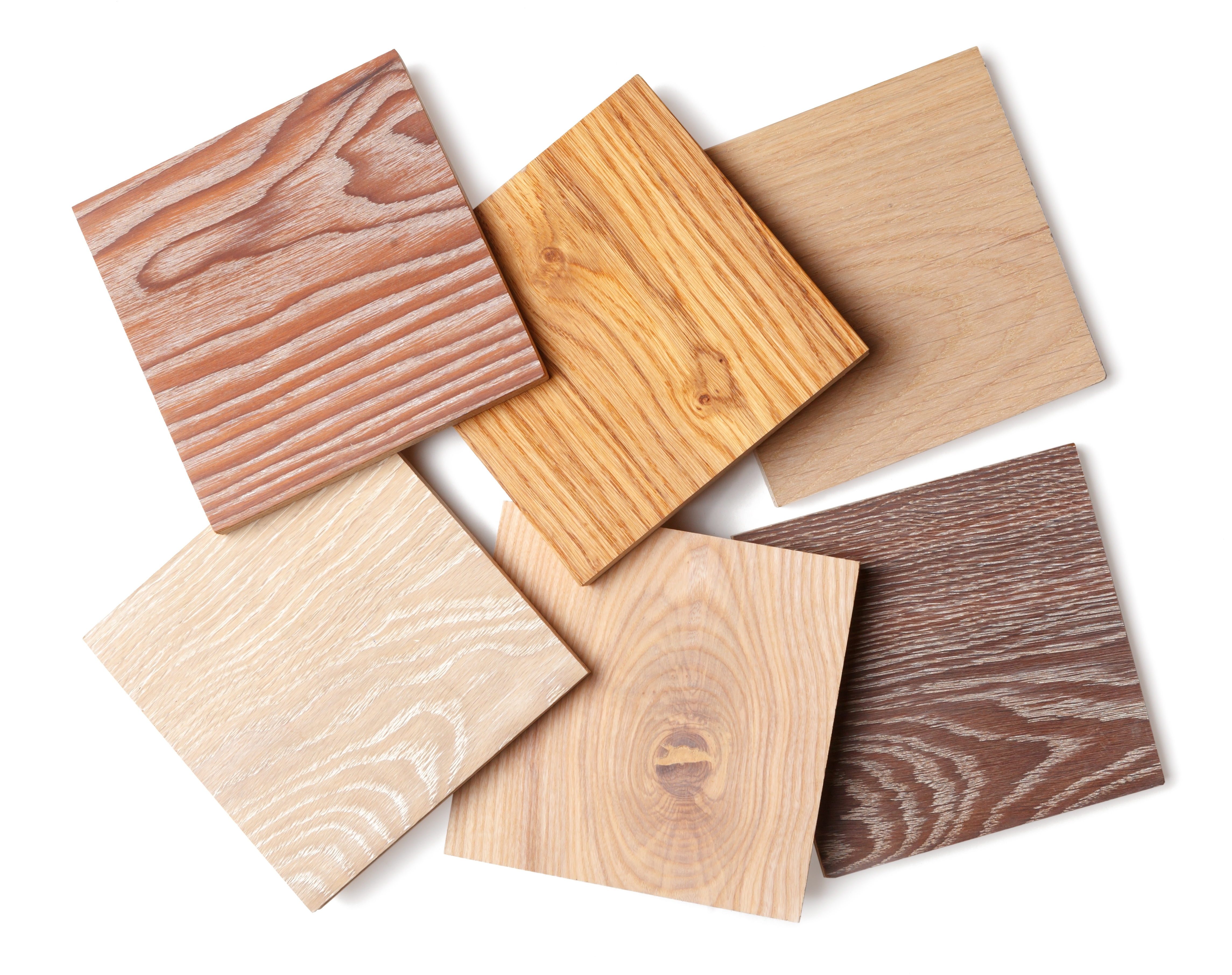
Flooring trends have a way of changing quietly. A color that once appeared in nearly every remodeled home can gradually begin to feel less current, while another look starts appearing in showrooms, furniture collections, paint palettes, and new interior designs. One of the clearest changes happening in flooring right now is the movement away from cool, washed-out gray floors toward warmer, more natural-looking wood tones.
For homeowners in Cedar Grove and throughout Wisconsin, this shift is more than a matter of following fashion. Warm flooring can change the atmosphere of a room, work naturally with wood furniture, and create a more comfortable visual environment during the long months when homeowners spend more time indoors.
Laminate is particularly interesting in this conversation because today's products can reproduce the character of natural wood without requiring homeowners to commit to traditional hardwood. Wider planks, realistic grain patterns, textured surfaces, and low-sheen finishes have given modern laminate a much more sophisticated appearance than many homeowners remember.
Why Warm Wood Tones Are Coming Back
For several years, cool gray flooring dominated modern interiors. It worked particularly well with crisp white walls, contemporary furniture, and minimalist spaces. But the same gray palette could sometimes make a room feel visually cold, especially when it was combined with gray walls, cool lighting, and other neutral surfaces.
Warm flooring changes that feeling almost immediately. Honey, natural oak, warm greige, soft caramel, and medium brown tones can introduce visual warmth without making a room feel traditionally styled.
This is one reason warm wood looks have become so versatile. They can work with modern furniture just as comfortably as they work with farmhouse, transitional, Scandinavian, or more traditional interiors.
Laminate Makes the Wood Look More Flexible
One of the strongest reasons to consider laminate is the range of visual possibilities. Instead of being limited to the natural colors available in a particular species of wood, homeowners can choose from an extensive selection of wood-inspired appearances.
A light natural oak look can brighten an interior and provide a clean foundation for darker furniture. A warm medium brown can create a more grounded atmosphere. A softly weathered finish can introduce character without making the floor look artificially distressed.
The goal is not to make laminate pretend to be something it is not. Modern laminate has its own advantages as a flooring category. The fact that it can achieve a convincing wood appearance simply gives homeowners more design freedom.
Wider Planks Change the Entire Room
Plank width can have an enormous impact on how flooring looks once it covers an entire room. Narrow boards create more visible seams and a busier visual rhythm. Wider planks reduce the number of individual lines across the floor, creating a calmer appearance.
This can be particularly effective in open-concept homes. When a warm wood-look laminate runs continuously through a living room, dining area, and connecting hallway, the floor can help visually connect those spaces rather than dividing them into separate zones.
Wider boards can also complement large furniture pieces. A large sectional, dining table, kitchen island, or oversized rug can feel more proportionate when the flooring has enough visual scale to support the room.
Matte Flooring Has a More Relaxed Appearance
Another important design consideration is sheen. Highly glossy flooring reflects more light and can make every footprint, mark, and surface irregularity more noticeable. A matte or low-sheen laminate generally creates a quieter appearance.
That understated finish also works particularly well with today's preference for natural-looking interiors. Instead of announcing itself as a highly polished surface, the floor becomes part of the overall design.
This is useful when you want furniture, artwork, cabinetry, or architectural details to remain visually important. The flooring provides the foundation without constantly demanding attention.
How to Choose the Right Warm Tone
Not every warm floor is the same. A honey-toned laminate can feel very different from a neutral warm greige. A deep walnut-inspired floor can create a dramatic room, while a pale natural oak can make the same space feel airy and casual.
Start by looking at the permanent elements in your home. Cabinets, countertops, stone, trim, doors, and existing furniture should influence the choice. If your home already contains a lot of warm wood, you may want a laminate with a slightly more neutral undertone. If the room contains cooler finishes, a warmer floor can balance them.
Do not judge a floor solely from an online photograph. Lighting, screen settings, and surrounding colors can dramatically change how a flooring sample appears.
Wisconsin Light Can Change the Look
Natural light varies dramatically throughout the year. A flooring color that looks bright and neutral during summer can appear warmer and deeper under winter lighting.
That is why it is useful to place flooring samples in the actual room where they will be installed. Look at them during the morning, afternoon, and evening. If possible, move the sample around the room and compare it against both natural and artificial light.
This simple step can prevent a common remodeling mistake: choosing a floor based on how it looks in a showroom rather than how it will actually live in the home.
Warm Flooring Does Not Mean Rustic Flooring
There is sometimes a misconception that choosing warm wood tones automatically creates a rustic interior. That is no longer the case.
A wide-plank laminate with a subtle grain, restrained color variation, and matte finish can look extremely contemporary. Pair it with clean-lined furniture, simple lighting, modern cabinetry, and neutral walls, and the result can feel sophisticated rather than rustic.
The same flooring could look completely different with traditional furniture, woven textures, and warmer decorative accents. That versatility is part of what makes natural wood-inspired flooring so useful.
Think About the Floor Five Years From Now
Trends can be useful for inspiration, but the best flooring decisions usually have some staying power. If you are investing in a new floor, think beyond what looks fashionable today.
A warm natural tone is generally easier to adapt to future furniture and paint changes than a highly specific color. If you eventually replace the sofa, repaint the walls, update the kitchen, or change your décor, a balanced floor can continue working as the foundation.
Where Warm Laminate Can Work
Laminate can be considered for living rooms, dining areas, hallways, bedrooms, home offices, and other spaces where homeowners want a wood-inspired appearance. The appropriate product depends on the room and the manufacturer's specifications, so product selection should always be based on the intended use.
For open-plan interiors, one continuous laminate floor can also help create a sense of visual flow. Instead of choosing a different floor for every room, you can use furniture, lighting, and rugs to establish separate zones while allowing the flooring to connect them.
The Floor Should Work With Your Furniture
Before committing to a color, place the flooring sample beside your largest furniture pieces. A floor can look completely different beside a cream sofa than it does beside a charcoal sectional.
Look for relationships rather than exact matches. The floor does not need to be the same color as the furniture. It simply needs to sit comfortably within the overall palette.
Explore the New Generation of Laminate
If your home feels dated because of an old floor, you do not necessarily need a dramatic design overhaul. Changing the flooring can establish an entirely new direction for the interior.
Explore the laminate flooring options from Claerbout Furniture & Flooring to compare different colors, plank styles, textures, and wood-inspired looks.
Choosing flooring is easier when you can evaluate the material as part of the entire room rather than as an isolated sample. If you are planning a new floor for your Cedar Grove home, contact Claerbout Furniture & Flooring to discuss your project and explore options that fit both your design goals and everyday lifestyle.
The move toward warmer flooring does not mean every homeowner needs to follow the same trend. It simply creates another opportunity to rethink what the floor can do for a room: make it warmer, more connected, more timeless, and more reflective of the way you want your home to feel.


