


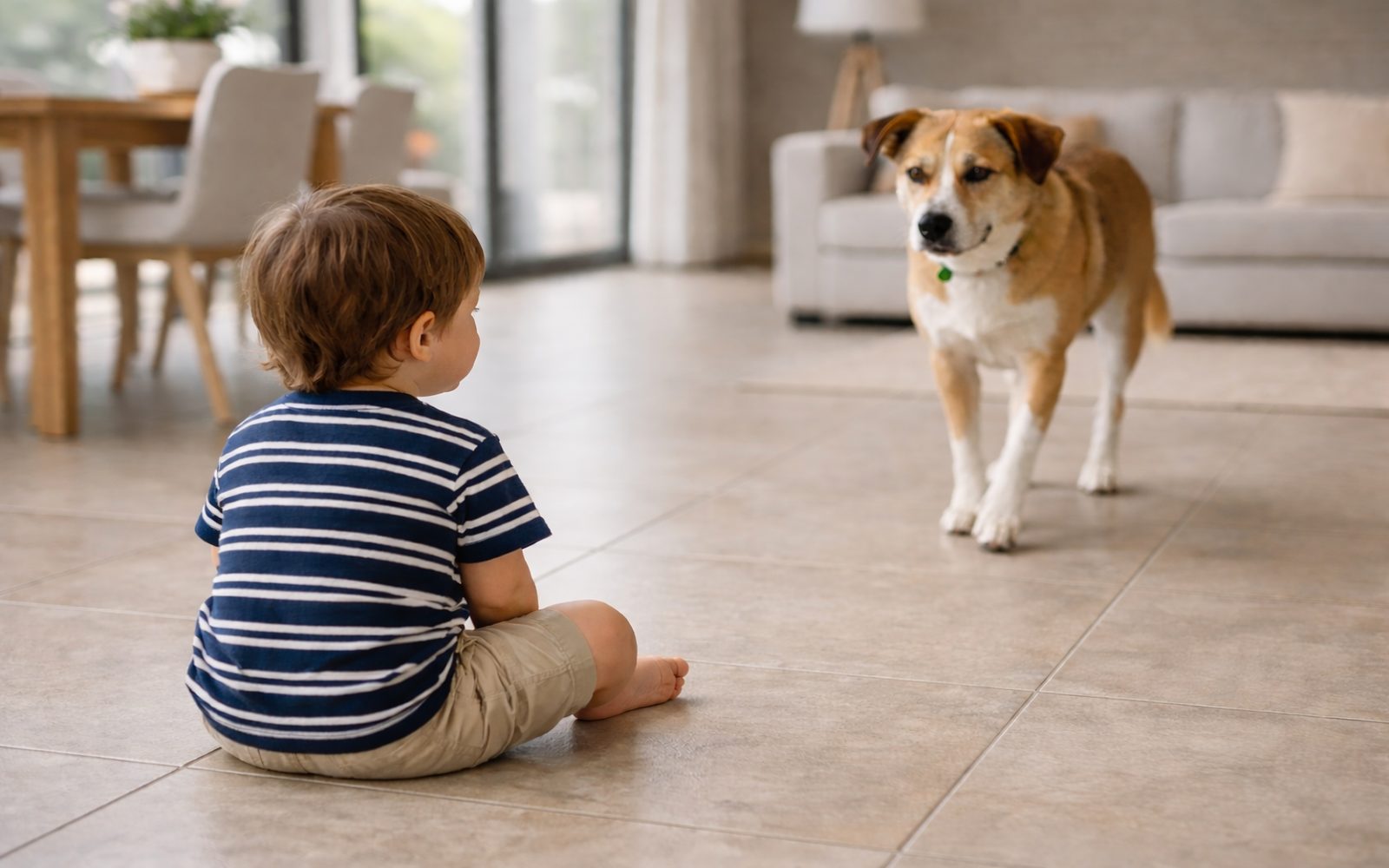
Tile flooring is a popular choice for family homes because of its durability, moisture resistance, and easy maintenance. But when kids and pets are part of the household, one important factor often gets overlooked: slip resistance. Not all tile surfaces perform the same underfoot, especially when water, spills, or muddy paws come into play. Understanding tile flooring slip ratings helps make safer choices without sacrificing style.
Slip ratings are not marketing buzzwords. They are measurable standards that indicate how much traction a tile surface provides. Knowing what these ratings mean can help reduce slips and falls in kitchens, bathrooms, entryways, and other high-use areas.
What slip resistance actually measures
Slip resistance refers to how well a surface resists sliding when pressure is applied. For tile flooring, this is measured through standardized testing that evaluates friction between the tile and a moving object, such as a foot.
Higher friction equals better traction. Lower friction increases the chance of slipping, especially when the surface is wet. This matters even more in homes with active children, playful pets, or frequent indoor-outdoor movement.
Understanding COF and DCOF ratings
The most common metric used today is the dynamic coefficient of friction (DCOF). This measures traction when a person is already in motion, which better reflects real-life walking conditions.
For residential interiors:
A DCOF of 0.42 or higher is generally recommended for wet areas
Tiles below this threshold may still be suitable for dry, low-traffic spaces
Older tiles may reference static coefficient of friction (COF), which measures traction at rest. While still useful, DCOF is now the preferred standard because it better predicts slip risk during movement.
Where slip ratings matter most in family homes
Slip resistance is not equally critical in every room. Some areas demand higher traction due to moisture, traffic, or activity level.
Key areas to prioritize slip ratings include:
Bathrooms and powder rooms
Kitchens near sinks and dishwashers
Entryways and mudrooms
Laundry rooms
Areas where pets enter from outdoors
For these spaces, choosing tile designed for wet-use conditions makes a noticeable difference in daily safety.
Tile surface textures and finishes explained
Tile finish plays a major role in slip resistance. Highly polished tiles may look sleek, but they often offer less traction, especially when wet.
Safer finish options often include:
Matte or honed finishes
Lightly textured or structured surfaces
Tiles with subtle grip-enhancing patterns
Many homeowners are surprised to learn that modern textured tiles can still look refined and stylish while offering better underfoot stability. Exploring different surface options within a tile flooring selection helps balance safety with design preferences.
Grout lines also affect traction
Slip resistance is influenced not only by the tile surface, but also by grout layout. Smaller tiles with more grout lines can naturally increase traction because grout provides additional grip.
In areas where safety is a priority:
Mosaic tiles often perform well
Narrow grout joints with appropriate grout type improve stability
Proper sealing helps maintain consistent traction over time
This is especially helpful in shower floors and bathroom entries where water exposure is constant.
Kids, pets, and real-world movement
Children move differently than adults. They run, pivot, and change direction quickly. Pets accelerate, slide, and jump without warning. Tile flooring must support unpredictable movement patterns without becoming a hazard.
Slip-resistant tile reduces the likelihood of sudden slides during play, zoomies, or quick turns. It also provides better confidence for older pets that may struggle with balance on slick surfaces.
Learning how different materials perform across rooms is easier when reviewing residential flooring options with slip resistance in mind.
Installation quality matters just as much
Even the safest tile can become slippery if installed incorrectly. Uneven surfaces, poor slope control, or improper grout selection can all compromise traction.
Professional installation ensures:
Correct subfloor preparation
Proper spacing and alignment
Drainage considerations in wet areas
Long-term performance and safety
Installation choices directly affect how a tile behaves once it is in daily use.
Balancing safety with long-term durability
Slip-resistant tiles are not just safer — they are often more forgiving in active households. Textured finishes tend to hide scratches, water spots, and wear better than glossy surfaces.
This means fewer visible signs of use and a floor that continues to look good while supporting a busy lifestyle. Safety and longevity often go hand in hand when the right tile is chosen.
Schedule a flooring consultation for safer spaces
Creating safer floors for kids and pets starts with informed choices and proper installation. For guidance on selecting slip-resistant tile that fits both lifestyle and design goals, schedule a consultation through our Contact Us page. Our team is happy to help plan flooring solutions that support comfort, durability, and everyday safety.


