


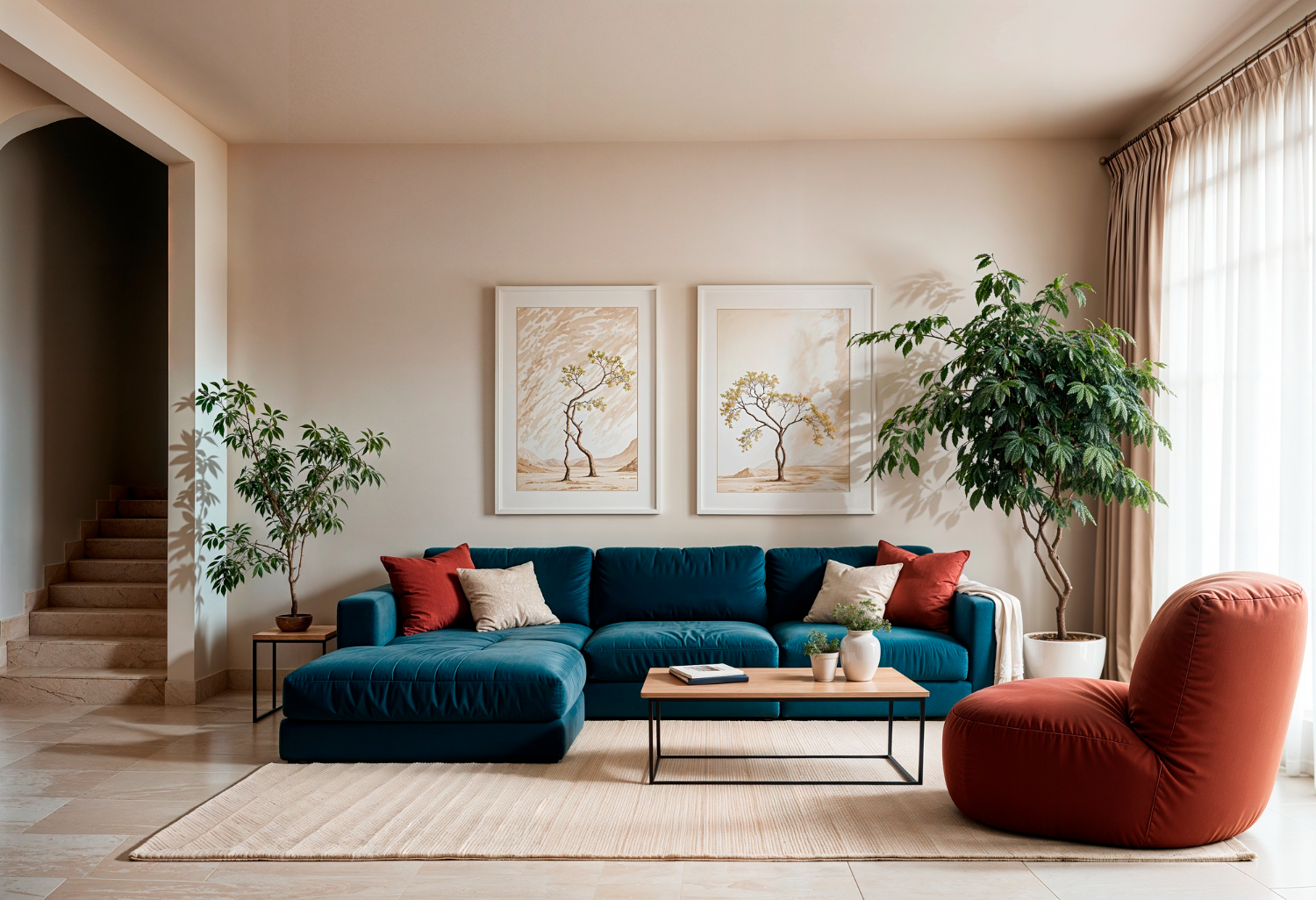
Living rooms in Saukville often serve as the heart of the home—a place for relaxing evenings, family gatherings, and welcoming guests. While some homes offer generous square footage, many living rooms benefit from thoughtful furniture layout choices that help the space feel more open, balanced, and inviting. The good news is that creating a room that feels larger does not require major renovations. With intentional furniture placement, smart spacing, and the right mix of pieces, even modest living rooms can feel airy and comfortable.
Starting with how the room is actually used
Before any furniture is moved, it helps to think about how the living room functions day to day. Some spaces are primarily for conversation, while others double as TV rooms, reading nooks, or family gathering spots. Defining the main purpose allows furniture to support the flow of the room instead of competing with it. In Saukville homes where living rooms often connect to dining areas or entryways, clarity of function is especially important to avoid a crowded feel.
Anchoring the space without overwhelming it
Every living room benefits from an anchor, usually a sofa or sectional. Choosing a piece that fits the scale of the room is essential. Oversized furniture can quickly make a space feel tight, while well-proportioned seating opens up visual breathing room. Positioning the main seating slightly away from walls can actually make the room feel larger by creating depth and improving traffic flow.
In smaller living rooms, placing the sofa along the longest wall often creates a cleaner sightline. In more open layouts, floating the sofa with a console table behind it can help define the space without closing it in.
Creating clear walkways that invite movement
One of the most overlooked aspects of furniture layout is circulation space. Living rooms feel more inviting when movement feels natural and uninterrupted. Leaving clear pathways between seating, tables, and doorways prevents the room from feeling cluttered.
A good rule of thumb is to maintain enough space for comfortable walking between major furniture pieces. This approach is especially effective in Saukville homes with open-concept designs, where the living room needs to flow seamlessly into adjoining spaces.
Letting furniture do double duty
Multi-functional furniture plays a key role in making living rooms feel larger. Ottomans that serve as coffee tables, end tables with hidden storage, or benches that provide extra seating all reduce the need for excess pieces. Fewer items on the floor naturally translate to a more open look.
Choosing furniture with exposed legs rather than skirted bases also helps. Visible floor space under sofas, chairs, and tables allows the eye to travel, making the room feel less visually heavy.
Arranging seating to encourage conversation
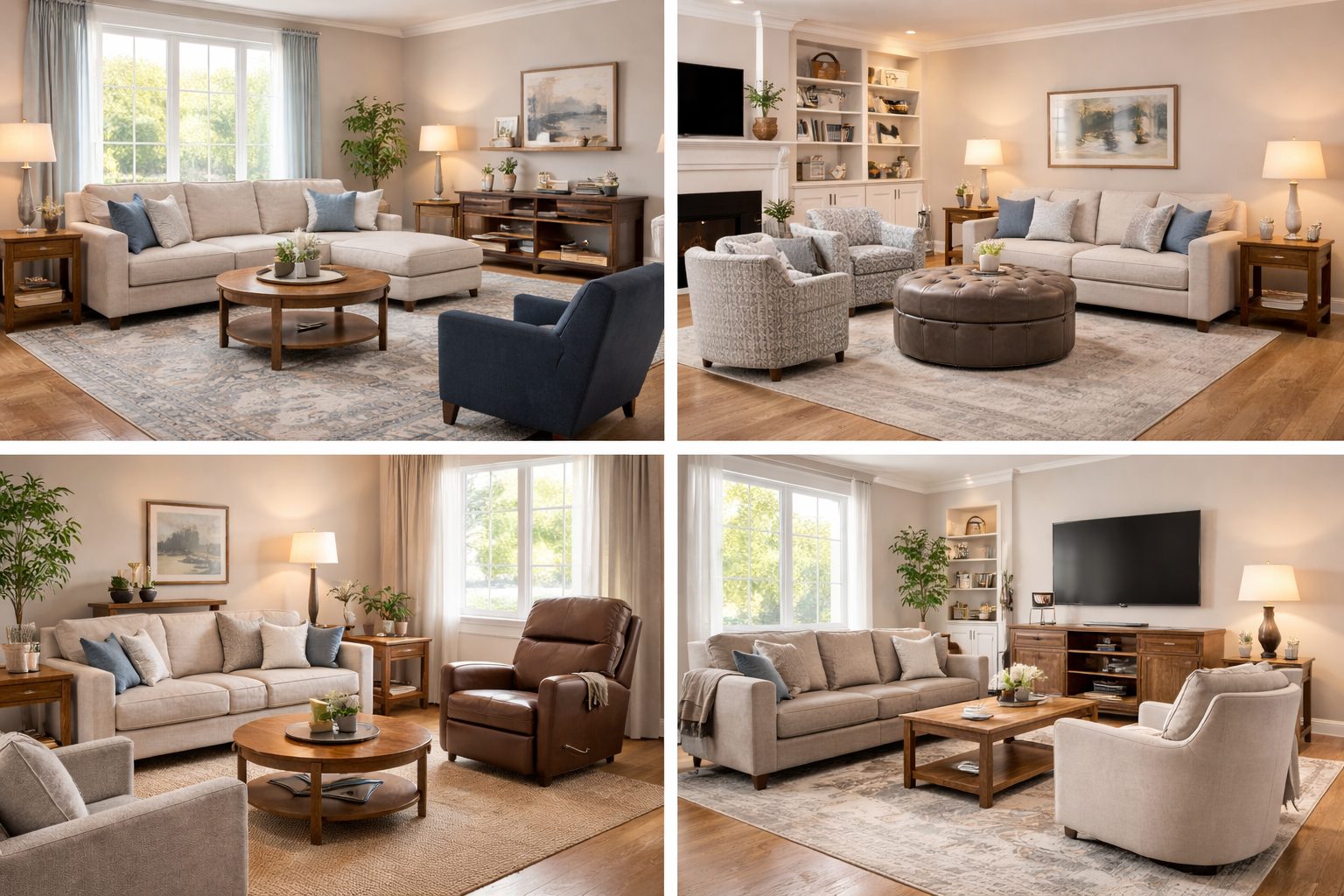
Living rooms feel more welcoming when seating arrangements support connection. Rather than pushing all furniture against walls, arranging chairs and sofas to face one another creates a cozy, intentional layout. Even in smaller rooms, a pair of accent chairs angled toward a sofa can make the space feel thoughtfully designed instead of cramped.
Area rugs play an important role here. A properly sized rug that fits under the front legs of seating pieces helps unify the layout and visually expands the room.
Using vertical space to free up the floor
When floor space is limited, vertical design choices become especially valuable. Wall-mounted shelving, tall bookcases, and floor lamps draw the eye upward, creating the illusion of height. This technique helps Saukville living rooms feel more open without changing their footprint.
Keeping décor on walls rather than clustered on tables also reduces visual clutter. A few well-placed pieces of wall art can replace multiple small accessories and maintain a cleaner look.
Choosing coffee tables and side tables wisely
The shape and size of tables matter more than many realize. Round or oval coffee tables often work better in compact living rooms because they soften the layout and improve movement around seating areas. Glass or lighter-finish tables also contribute to a more open feel by reflecting light and reducing visual weight.
End tables that are proportional to seating height and width help maintain balance. Overly large tables can crowd the space, while smaller, thoughtfully placed ones keep the layout feeling intentional.
Keeping balance without perfect symmetry
Symmetry brings a sense of order, but perfect matching is not always necessary. Balanced layouts—where visual weight feels evenly distributed—tend to feel more relaxed and inviting. Mixing a sofa with two different accent chairs or pairing a recliner with a slim side table can add personality without overwhelming the room.
In Saukville homes that value comfort as much as style, this approach allows living rooms to feel lived-in while still open and welcoming.
Allowing the room to breathe
One of the simplest ways to make a living room feel larger is to resist the urge to fill every corner. Negative space is not wasted space—it gives furniture room to shine and makes the entire layout feel calmer. Leaving a corner open or limiting décor on surfaces can have a surprisingly big impact.
Lighting also plays a role. Layered lighting using floor lamps and table lamps reduces reliance on a single overhead fixture and helps the room feel warmer and more expansive.
A thoughtful finish that feels like home
Furniture layout is about more than fitting pieces into a room. It is about creating balance, comfort, and a sense of welcome. With intentional placement, smart furniture choices, and an eye for flow, Saukville living rooms can feel larger without losing their warmth.
Ready to refresh a living room layout? Claerbout Furniture & Flooring has been helping Saukville-area families create comfortable, well-designed living spaces since 1953. Our showroom in Cedar Grove features thoughtfully selected furniture, décor, and expert guidance to help every room feel just right. Visit us today!


