


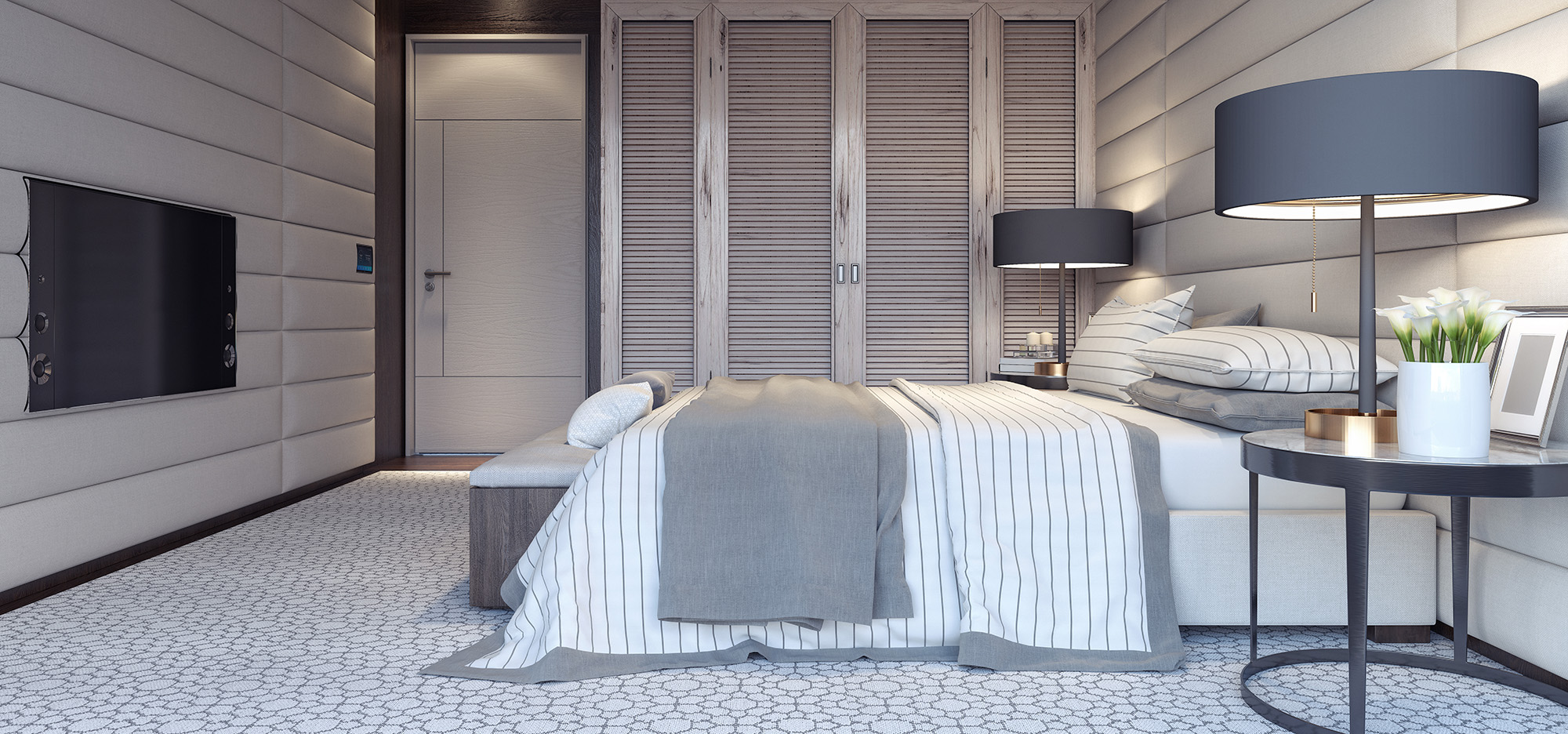
For a while, the flooring conversation seemed to move in one direction: remove the carpet and replace it with a hard surface. Hardwood, laminate, and other hard flooring became the default language of modern remodeling. But the conversation is changing.
Carpet is not necessarily returning as a wall-to-wall solution for every room. Instead, homeowners are becoming more selective about where softness, warmth, quietness, and comfort actually improve the way a room is used.
That distinction is important for Wisconsin homes. When temperatures fall and families spend more time indoors, the physical experience of a room becomes just as important as the photograph of the finished interior.
The New Carpet Is More Deliberate
Modern carpet can be a design decision rather than a default. Instead of choosing a generic beige carpet simply because the room needs flooring, homeowners can select a texture, pattern, color, and construction that contributes to the personality of the space.
This is especially useful in bedrooms. A bedroom does not need the same flooring priorities as a kitchen. It can prioritize softness, warmth, acoustic comfort, and a sense of relaxation.
The same principle applies to family rooms, home offices, nurseries, reading spaces, and finished lower levels.
Why Bedrooms Are Becoming Carpet Zones Again
Bedrooms are perhaps the clearest example of where carpet can still make sense. The floor is often experienced barefoot, early in the morning and late at night, when comfort matters more than visual drama.
Carpet can soften the room physically and acoustically. It can make footsteps quieter and introduce a layer of warmth that hard surfaces do not naturally provide.
It also creates a visual foundation for the rest of the room. A neutral textured carpet can allow the bed, artwork, lighting, and furniture to become the main design elements.
Family Rooms Need a Different Kind of Flooring
A family room has to tolerate real life. People sit on the floor, children play, pets move around, furniture gets rearranged, and guests come and go.
That means carpet selection should focus on more than softness. Fiber, density, construction, stain resistance, color, and maintenance requirements should all be considered.
A durable carpet with subtle texture can offer comfort without making every footprint or minor variation immediately visible.
Patterned Carpet Can Make a Room Look Designed
One of the most interesting developments in carpet design is the use of pattern and texture to create visual depth.
A subtle geometric pattern can give a bedroom more personality without dominating the room. A tonal stripe can add movement to a hallway. A textured neutral can provide enough variation to prevent a large family room from feeling visually flat.
The trick is restraint. Carpet does not need to be loud to be interesting.
Warm Neutrals Are Easier to Live With
Color trends come and go, but flooring usually stays much longer than a paint color or decorative accessory. That makes neutral flooring particularly useful.
Warm beige, taupe, natural greige, soft brown, and other understated colors can work with multiple decorating styles. They can also create a warmer atmosphere than the very cool neutrals that became popular in previous design cycles.
When selecting a neutral, pay attention to undertones. Two beige carpets can look completely different if one has a yellow undertone and another has a cooler gray base.
How Wisconsin Winter Changes the Equation
Wisconsin winters can make comfort a major consideration in interior design. Hard surfaces can be practical in certain rooms, but homeowners often want softer flooring in spaces where they spend extended periods indoors.
Carpet can help create that sense of comfort without requiring the entire house to become carpeted. This is where zoning becomes useful.
Use hard flooring where it offers practical advantages and carpet where softness, warmth, and sound control are more valuable. The result can be more functional than choosing one material for every room.
Think About Snow Before You Choose the Entryway
One of the biggest mistakes is assuming that because carpet works well in bedrooms, it should automatically work in the home's main entrance.
Wisconsin winter brings snow, moisture, salt, grit, and slush. Entryways are therefore better treated as protective zones where outdoor debris can be managed before it reaches softer flooring.
A hard surface near the door combined with carpet farther into the home can provide a much more practical transition.
Carpet and Laminate Can Work Together
There is no reason to treat carpet and laminate as competing products. They can solve different problems in the same house.
Laminate can provide a wood-inspired surface through the living room, dining area, and hallway, creating continuity across the main floor. Carpet can then take over in bedrooms and other spaces where comfort becomes the priority.
The transition can feel deliberate when the two materials share compatible undertones. A warm laminate paired with a warm neutral carpet can create a cohesive palette even though the textures are completely different.
Choose Carpet Based on How You Live
Households with pets may prioritize stain resistance and cleanability. Families with young children may care about durability and softness. Empty nesters may focus more heavily on comfort and visual sophistication.
There is no reason all three households should choose the same carpet.
The right product is the one whose characteristics correspond to the room and the people using it.
Do Not Underestimate the Importance of Padding
One of the most overlooked parts of a carpet project is the padding underneath the carpet. Padding contributes to how the carpet feels underfoot and how it responds to repeated traffic.
The appropriate pad depends on the carpet and installation requirements. A flooring professional can help ensure the two components are compatible rather than treating the pad as an afterthought.
Think Beyond Beige
If your last experience with carpet involved a basic beige surface installed throughout an entire house, today's options may surprise you.
There are textured neutrals, subtle patterns, dimensional constructions, richer colors, softer fibers, and designs that can feel much more contemporary than traditional builder-grade carpet.
The category has changed because homeowners are asking carpet to do something different. They want it to contribute to comfort and design simultaneously.
Carpet Can Be a Luxury, Not a Compromise
There is a tendency to think of carpet as what you choose when you do not want hardwood or another hard surface. That perspective overlooks what carpet does exceptionally well.
It creates softness. It absorbs sound. It can make bedrooms more inviting. It can turn a family room into a more comfortable gathering space. It can make a finished lower level feel less like a basement and more like another part of the home.
When selected intentionally, carpet is not a compromise. It is a material chosen because its characteristics suit the room.
See Carpet in a Different Light
If you are reconsidering carpet for your Cedar Grove home, explore the carpet flooring options from Claerbout Furniture & Flooring and look beyond color alone. Compare textures, patterns, fibers, and constructions to find something that genuinely suits the room.
For help choosing carpet based on traffic, comfort, design, and the way your household uses the space, contact Claerbout Furniture & Flooring to discuss your flooring project.
The modern approach to carpet is not about putting carpet everywhere. It is about putting it where it makes the most sense. In a Wisconsin home, that can mean creating warmer bedrooms, quieter family spaces, and comfortable areas that feel especially inviting when the weather outside is anything but.


